



| Model | Max Cross Section | Rotor Speed (Rpm) (TPM) | Main Motor (Kw) |
| SMEPL/DTB/630 | 6/10 Sqmm | 2500/5000 | 20 |
| SMEPL/DTB/800 | 16/25 Sqmm | 1200/2400 | 30 |
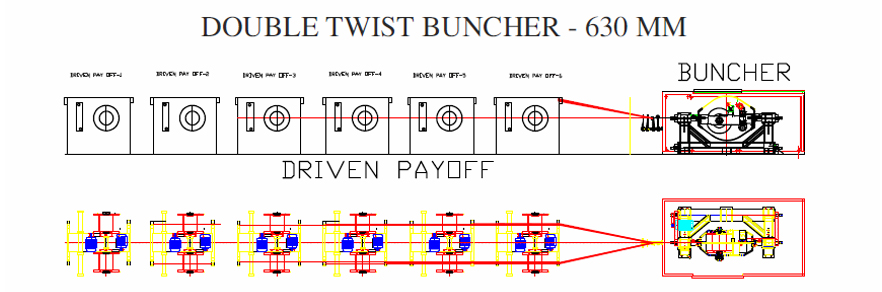
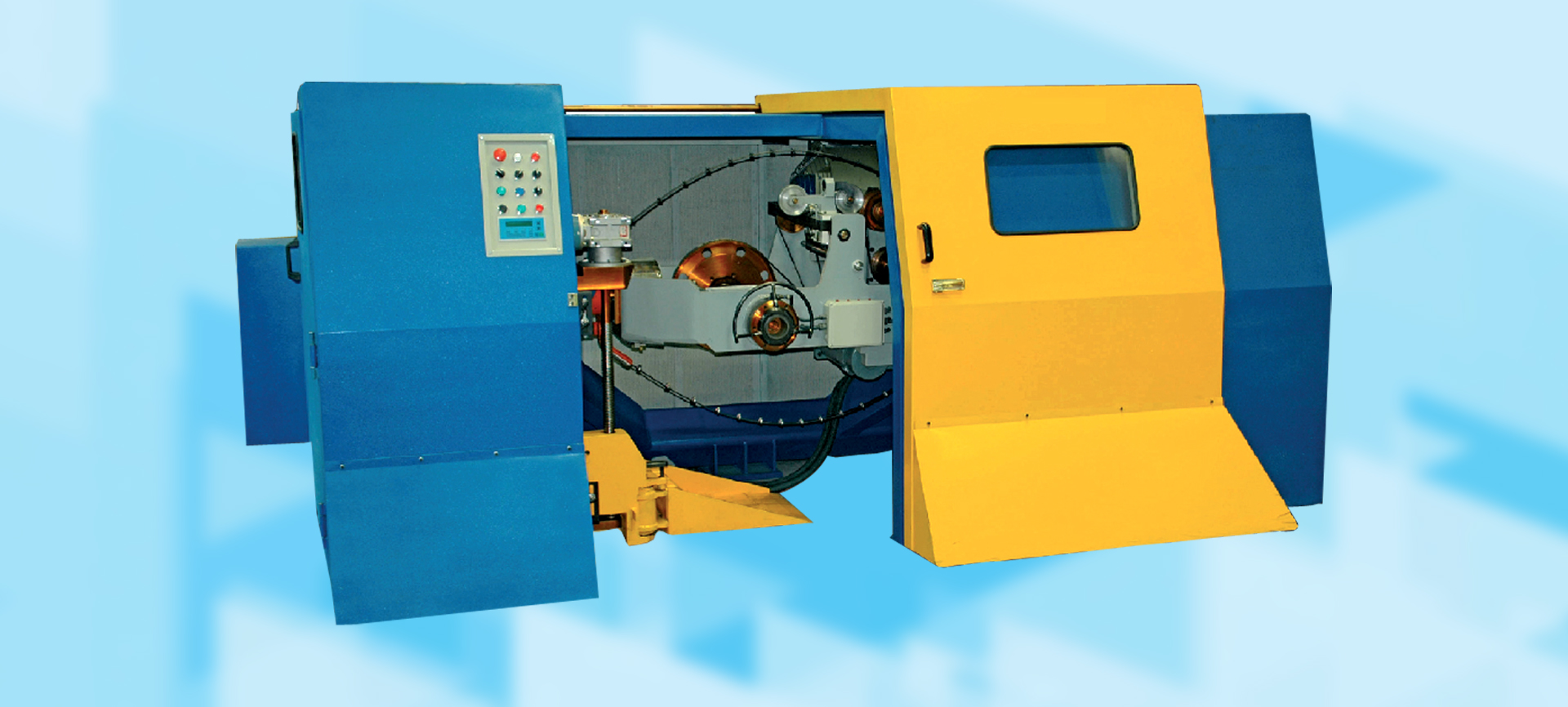
A Double Twist Buncher is commonly used for bunching copper, aluminium, and other suitable fine wires to produce flexible conductors and cable elements with consistent construction and lay.
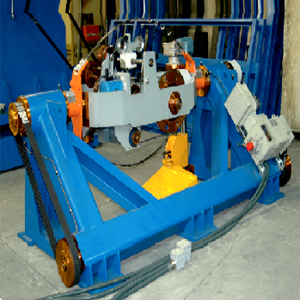
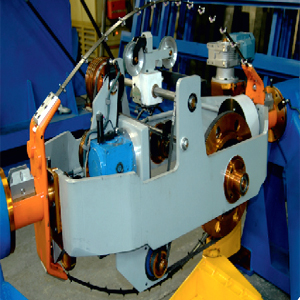
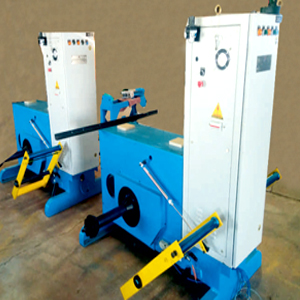
Individual wires are supplied through the pay-off system and guided into the bunching section. The rotating bow applies double twisting to the wire bundle, while the take-up system collects the finished bunched conductor.
Depending on the machine configuration, Double Twist Bunchers can process suitable copper, aluminium, and other conductive wires within the specified diameter range. Wire material, size, construction, and production requirements should be considered when selecting the machine.
Yes. As a Double Twist Buncher manufacturer, we provide machines configured according to wire diameter, number of wires, conductor size, lay length, production speed, and specific customer requirements.
Yes. Double Twist Bunchers can be configured for suitable copper wire applications, including fine and flexible conductor production, depending on wire diameter, number of strands, and required finished conductor size.
A Double Twist Bunching Machine can provide high production efficiency, uniform bunching, consistent lay length, reliable wire handling, and reduced twisting time compared with conventional single-twist processes.
Yes. Double Twist Bunchers can be configured for suitable copper wire applications, including fine and flexible conductor production, depending on wire diameter, number of strands, and required finished conductor size.
Yes. Suitable machine configurations can be designed for aluminium wire bunching, subject to wire dimensions, conductor construction, and machine specifications.
Yes. As a Double Twist Buncher manufacturer, we can customize machine configuration according to wire specifications, number of strands, conductor size, production capacity, lay requirements, automation level, and factory layout.
Automation options can be provided according to the machine configuration and production requirements. These may include speed control, tension control, synchronized operation, monitoring systems, and other automated functions.


 +(91)-9871163831